Give Your Old Pots and Pans a Sustainable Farewell
You open the cupboard and a clatter of lids answers back. A chipped saucepan, a pan with a wobbly handle, that ancient baking tray you meant to replace three Christmases ago. Sound familiar? If so, you're not alone. Kitchens collect stories and stuff--especially cookware. And when the time comes to clear space, it's tempting to bin the lot. But there's a better, cleaner, more planet-friendly path. This guide shows you exactly how to Give Your Old Pots and Pans a Sustainable Farewell--without fuss, guilt, or wasting something that still has life in it.
We'll cover everything: quick condition checks, safe donation, clever resale, proper recycling in the UK, DIY refreshes, even creative upcycling ideas that don't look like school projects. Real numbers, real examples, and standards that build trust. The goal? Clean, clear, calm. That's the goal.
Table of Contents
- Why This Topic Matters
- Key Benefits
- Step-by-Step Guidance
- Expert Tips
- Common Mistakes to Avoid
- Case Study or Real-World Example
- Tools, Resources & Recommendations
- Law, Compliance or Industry Standards (UK-focused)
- Checklist
- Conclusion with CTA
- FAQ
Why This Topic Matters
Cookware is heavy-duty stuff--steel, aluminium, cast iron, glass, sometimes copper. Tossing it in the general waste bin is like throwing away a second chance. In the UK, most councils can recover metal at Household Waste Recycling Centres (HWRCs), and scrap yards can smelt and reprocess it into new products. Recycling metals saves significant energy--steel recycling can save roughly 60-74% of the energy compared to making steel from iron ore, and recycling aluminium can save up to 95% of the energy of primary production. Organisations like WRAP and the International Aluminium Institute have shared these savings for years. That's not small change.
There's also safety and health to consider. Non-stick coatings, while generally safe when used properly, do degrade with scraping and overheating. If your pan is deeply scratched or warping, it's time to decide: repair, repurpose, or recycle. And if you're donating cookware, you want to make sure it's hygienic and safe so it actually helps someone, not just shifts clutter from one cupboard to another.
Truth be told, making a greener exit plan for your cookware does more than clear a shelf. It reduces pressure on natural resources, supports local reuse networks, and may even earn you a tenner at the scrap yard for that old copper-bottom pot. Ever tried clearing a room and found yourself keeping everything "just in case"? This is your friendly nudge to move it on--properly.
In short, learning how to Give Your Old Pots and Pans a Sustainable Farewell matters because it's a simple, repeatable act that adds up, household by household, street by street. To be fair, it feels good too.
Key Benefits
- Lower carbon footprint: Recycling metals like steel and aluminium cuts energy use dramatically compared to mining and smelting new materials.
- Clutter-free kitchen: Less rummaging, more cooking joy. You'll actually find the pan you need.
- Community value: Quality pre-loved cookware helps local families, students, and charities. You can genuinely help someone cook a proper meal at home.
- Financial gains: Resale of good brands or scrap value for metals puts a little back in your pocket.
- Safety and hygiene: Retire damaged cookware that may affect cooking performance or hygiene, replacing it with safe, durable options.
- Space for better choices: Free room for one excellent pan that does the job of three. Less faff, more flavour.
- Builds a sustainable habit: An easy win that sets the tone for future declutters--appliances, gadgets, you name it.
It's a tiny ritual of respect for the things that feed us. And yes, you can Give Your Old Pots and Pans a Sustainable Farewell and feel proud about it.
Step-by-Step Guidance
1) Assess What You've Got
Lay everything on the table--saucepans, frying pans, lids, baking trays, roasting tins, cookie sheets, colanders, even the odd fondue set. You could almost smell the cardboard dust in the air if you're pulling from the back of a high cupboard.
- Check condition: Is the base warped? Is the handle loose? Is the non-stick coating severely scratched? Is there rust on cast iron or carbon steel (often salvageable)?
- Sort by material: Stainless steel, aluminium (bare or anodised), cast iron, copper, non-stick coated, glass, ceramics. Lids too--glass with metal rims and all-metal lids may be recycled differently than fully ceramic lids.
Micro-moment: A client in Birmingham placed 14 mixed pans on a towel and realised three of them were the same size. He kept the best one, repurposed one as a camping pan, and recycled the third. Simple, tidy, done.
2) Decide: Repair, Reuse, Donate, Sell, or Recycle
- Repair or refresh: Tighten screws, replace knobs, or rivet a new handle. Re-season cast iron. Many pans are one small fix from greatness.
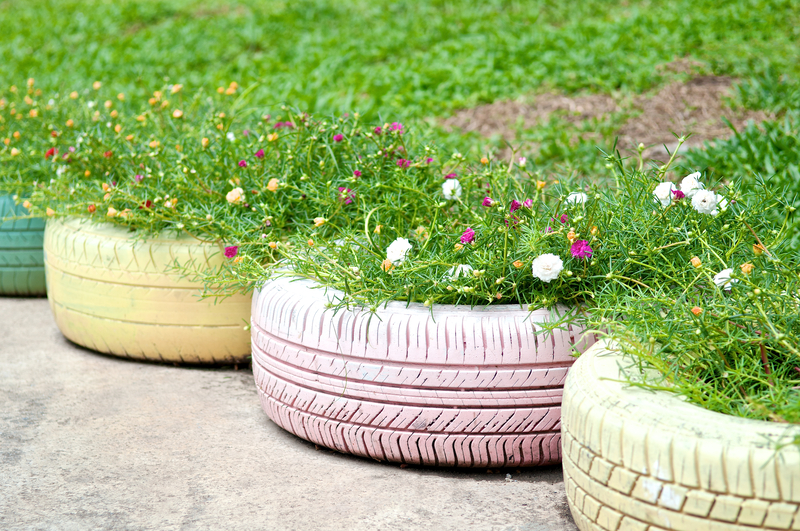
- Reuse or upcycle: Old baking sheets make brilliant magnetic memo boards. A copper pan with a dent? It's a gorgeous herb planter on a sunny sill.
- Donate: If safe, clean, and in decent condition, charities and community groups will often accept. Check first--policies differ.
- Sell: Premium brands and solid cast iron can fetch a good price on resale platforms.
- Recycle: Damaged or non-repairable pieces generally belong at an HWRC scrap metal bay or via a licensed scrap dealer.
3) Clean Before You Pass It On
Whether donating or selling, scrub thoroughly with hot soapy water. Degrease stubborn spots. For cast iron, remove loose rust and re-season. No one wants a pan that smells like last week's curry--lovely then, odd now.
4) Donation Etiquette (UK)
- Condition matters: No peeling coatings, no burned-on residue that won't budge, handles firmly attached.
- Ask first: Call your local charity shop or community kitchen. Some accept cookware, others don't due to space or hygiene rules.
- Bundle intelligently: Lids with matching pots, sets with all parts. Label if sizes aren't obvious.
Human moment: On a rainy Tuesday in Manchester, we watched a student leave a British Heart Foundation shop grinning--?6 for a clean, lidded saucepan. Dinner sorted.
5) Selling Smart
- Photograph well: Natural light, clean surfaces, include close-ups of base stamps (e.g., "18/10 stainless").
- Describe fairly: Size in cm, induction compatibility, weight, any marks. Honesty builds trust.
- Price check: Look up similar listings. Iconic cast iron or copper may command higher prices.
6) Recycling Routes in the UK
- HWRC (Household Waste Recycling Centre): Most councils have a scrap metal bay. Pots and pans--metal ones--typically go here. Separate mixed materials if you can (e.g., remove plastic handles).
- Kerbside: Some councils accept small metal items; many don't. Always check your council's guidance.
- Licensed scrap dealer: Call ahead. They may pay for weight. Aluminium, copper and brass are worth more than steel or iron.
- Paid mail-back boxes: Zero-waste services will accept mixed items including cookware for a fee. Handy if you're short on time.
Tip: Glass lids aren't usually accepted with metals. If the lid is mainly glass with a metal rim, ask your council how they prefer you sort it.
7) Handling Non-Stick
Heavily scratched or blistered non-stick pans are best retired. Many councils still accept them in scrap metal at HWRCs. Remove and discard plastic handles separately if asked. While older manufacturing processes used chemicals such as PFOA (phased out by major manufacturers around 2013), worn coatings mostly pose a performance issue--food sticks, flakes appear--and that's enough reason to recycle responsibly. When in doubt, check local council advice.
8) Safety and Packaging for Drop-Off
- Bag sharp-edged items or tape edges to avoid injuries to handlers.
- Separate materials where possible: metal body, plastic knob, silicone handles.
- Transport in a sturdy box. No one needs a clanging avalanche in the boot.
9) Replace Wisely
When you do replace, buy once, buy right. Look for durable construction, repairable handles, and compatibility with your hob. If you can, choose brands offering spare parts. Future-you will thank you.
By following these steps, you genuinely Give Your Old Pots and Pans a Sustainable Farewell and set a better pattern for the rest of your home.
Expert Tips
- Re-season cast iron properly: Scrub rust, dry thoroughly, oil lightly (flaxseed or rapeseed), and bake upside down at around 200-230?C for an hour. Repeat 2-3 times. Gorgeous.
- Don't bin good metal: Even if a pan looks tired, the metal is valuable. Metal recycling is incredibly efficient compared to primary production.
- Induction test: If a magnet grabs the base firmly, it's induction-ready--handy info when selling or donating.
- Replace parts, not pans: New knobs, screws, and handles cost less than a new set. Many generic parts fit standard hole sizes.
- Batch the job: Do a full cookware audit once a year. It's oddly satisfying--like aligning spice jars but with bigger wins.
- Keep a "camping pan": One old but safe pan lives in a rucksack or car boot. Mud, sand, no problem.
- For copper and carbon steel: A little patina is fine. Buyers know this. Over-polishing can remove character (and value).
- Remember the Waste Hierarchy: Prevent, reuse, recycle, recover, dispose--this order keeps you grounded in what matters most.
Small aside: we once sanded and re-seasoned a rusted skillet on a chilly morning in Leeds. Steam from a kettle, the smell of warm oil in the oven. It felt--oddly--hopeful.
Common Mistakes to Avoid
- Tossing cookware into general waste: You'll miss out on recycling value and environmental benefits.
- Donating unsafe items: Peeling non-stick, missing screws, sharp edges--charities can't sell or use them.
- Skipping the clean: Grease puts off buyers and volunteers alike. A 10-minute scrub makes all the difference.
- Not removing mixed materials: Plastic handles or silicone grips may need separating to streamline recycling.
- Assuming kerbside rules: Councils differ. A quick check avoids rejected bins and frustration.
- Overthinking upcycling: Keep it simple. A pan as a planter needs drainage holes and stones--done. Don't turn it into a week-long art project unless you want to.
- Panicking about non-stick safety: If it's heavily scratched, retire it. If lightly marked, use wooden utensils and gentler heat. No need for alarmist myths.
Yeah, we've all been there--bin bag in hand, doing the "ah, just chuck it" dance. Pause, breathe, choose better.
Case Study or Real-World Example
The London Flat Clear-Out
It was raining hard outside that day. We were helping a couple in a Hackney flat do a pre-baby declutter. Their small galley kitchen had more pans than cupboards; a familiar scene. We created four piles: Keep, Repair, Donate/Sell, and Recycle.
- Keep: Three pans--one excellent stainless skillet, a sturdy 20cm saucepan, and a Dutch oven with a tight lid.
- Repair: One cast-iron skillet with surface rust (re-seasoned same day), and a saucepan with a loose handle (new screw installed).
- Donate/Sell: A tidy set of three matching pans and two glass lids went to a local charity, and one vintage copper pan sold online for ?28.
- Recycle: Four battered baking sheets, two warped frying pans with peeling non-stick, and a dented stock pot went to an HWRC metal bay.
Impact snapshot: The recycled metal conserved energy compared to producing new metal; the donated set equipped a community kitchen; and the couple reclaimed a whole cupboard. Best of all, they cooked a celebratory shakshuka that evening in the re-seasoned cast iron. Steaming, spicy, perfect.
Multiply this by a street of flats--then a borough--and you can see how easy it is to Give Your Old Pots and Pans a Sustainable Farewell at scale.
Tools, Resources & Recommendations
Essential Tools for Refresh & Disassembly
- Screwdriver set (Phillips and flat)
- Pliers or adjustable spanner
- Fine steel wool or scouring pad
- Baking soda, white vinegar (cleaning and gentle de-greasing)
- Oven and neutral oil for seasoning cast iron
- Rivet kit for handle repair (optional)
- Work gloves and masking tape for sharp edges
UK Resources
- Local Council Services: Check your council's site for HWRC locations and small metals guidance.
- Recycle Now: The national recycling locator helps you find where to take pots, pans, and lids near you.
- London Recycles / Scotland Recycles / Wales Recycles: Regional advice and local drop-off options.
- Charities: British Heart Foundation, Cancer Research UK, Shelter, local community kitchens--call ahead to confirm cookware acceptance.
- Resale Platforms: eBay, Gumtree, Facebook Marketplace, Vinted (for kitchenware categories), and local buy/sell groups.
- Free Sharing: Freecycle, Freegle, Olio--great for quick, feel-good rehoming.
- Scrap Metal Dealers: Use online directories; ensure the dealer is licensed.
- Paid Zero-Waste Boxes: Consider reputable providers that accept mixed kitchenware if you want a quick mail-in solution.
Law, Compliance or Industry Standards (UK-focused)
This section is informational, not legal advice. Regulations change--always check current guidance.
- Waste Hierarchy (UK/EU principle): Prioritise prevention, then reuse, then recycling. Embedded across UK waste policy and guidance.
- Environmental Protection Act 1990 & Duty of Care: If you're disposing of waste (including metals), you must ensure it's handled by authorised persons and doesn't harm the environment. Keep things tidy and use proper facilities.
- Waste (England and Wales) Regulations 2011 (as amended): Embeds the Waste Hierarchy into decision-making. Councils and waste collectors operate under these principles.
- Scrap Metal Dealers Act 2013: Scrap dealers must be licensed by local authorities; cash payments for scrap metal are generally prohibited--expect bank transfer or cheque.
- Food Contact Materials rules: If reselling cookware, avoid misleading claims and ensure items are fit for purpose. The retained EU Regulation (EC) No 1935/2004 principles apply in the UK--materials should be safe under normal use.
- Charity Retail Standards: Charity shops follow internal and external guidance on hygiene and safety. Items must be clean and safe to use.
In practice: use licensed sites, keep a simple record of any scrap transactions, and donate only items that are safe. Easy enough.
Checklist
Use this simple list to Give Your Old Pots and Pans a Sustainable Farewell without missing a beat.
- Empty the cupboard; sort by type and condition.
- Decide: repair, reuse, donate, sell, or recycle.
- Clean everything. Degrease. Re-season cast iron if keeping.
- Remove mixed materials where practical (plastic handles, silicone grips).
- Call your council to confirm drop-off or kerbside rules for small metals.
- Package safely: tape sharp edges, use a sturdy box.
- Donate quality pieces. Bundle sets and lids.
- Sell premium items with clear photos and honest descriptions.
- Recycle the rest at an HWRC or licensed scrap dealer.
- Replace only what you need with durable, repairable cookware.
Clean, clear, calm. That's the goal.
Conclusion with CTA
Parting with old cookware can feel oddly personal--meals cooked, guests fed, late-night omelettes that weren't half bad. But there's real dignity in a good goodbye. When you Give Your Old Pots and Pans a Sustainable Farewell, you reduce waste, support your community, and make space for better cooking. Lighter cupboards, lighter conscience.
If you're moving, renovating, or simply simplifying, now's the moment. Choose a route--repair, donate, sell, recycle--and take the first small step today. You'll feel the difference every time you open that cupboard and don't get a metal avalanche to the ankles.
Get a free quote today and see how much you can save.
And if no one's said it lately: you're doing great. Keep going.
FAQ
Can I put pots and pans in my household recycling bin?
Usually, no. Most UK kerbside schemes don't accept bulky metal cookware in the standard recycling bin. Take them to your local HWRC's scrap metal bay or a licensed scrap dealer. Some councils do accept small metal items--check your local rules.
How do I dispose of non-stick pans sustainably?
If the pan is heavily scratched or peeling, retire it. Many councils accept non-stick pans at HWRC scrap metal bays. Remove plastic handles if requested. Donation is only suitable if the coating is intact and safe.
Do I need to remove handles or knobs before recycling?
It helps. Removing plastic or silicone parts can streamline recycling. That said, most HWRCs will still accept them intact and separate later. If you can remove parts safely, do so.
Are rusty cast-iron pans safe to keep?
Yes--rust can usually be removed. Scrub to bare metal, dry thoroughly, then re-season. If the pan is cracked or pitted through, consider recycling--but that's rare. Cast iron lasts decades.
Is scratched non-stick dangerous?
Deep scratches affect performance and may release flakes into food--so it's best to replace. Follow manufacturer guidance and avoid metal utensils that can damage the surface. For peace of mind, retire heavily worn non-stick and recycle it appropriately.
Can I donate cookware with minor marks?
Yes, if it's clean, safe, and functional. Cosmetic marks are fine; peeling coating, broken handles, or heavy burnt-on residue are not. Always check with the charity first.
What's the scrap value of old pots and pans?
It varies. Aluminium, copper, and brass are worth more than steel or cast iron. Expect modest returns unless you have heavier or premium metals. Licensed dealers will weigh and pay via bank transfer or cheque.
What about glass lids?
Glass lids often aren't recycled with metal pans. Some HWRCs have separate glass streams; others ask you to place them in general waste if not suitable. Check local guidance.
Can I upcycle a pan into something useful?
Absolutely. Try planters (drill drainage holes), a bird bath with a shallow pan, a wall clock from a lid, or a magnetic memo board from a baking sheet. Keep it simple for a clean look.
Any cleaning tips before donating?
Hot soapy soak, a gentle scrub, and a baking soda paste for stubborn stains. For stainless, a little vinegar brings back shine. Dry everything fully to avoid rust.
Is there a health risk from old aluminium pans?
Anodised aluminium is stable; uncoated aluminium can react with acidic foods but is widely used. If your pan is badly pitted or warped, retire it. When in doubt, switch to stainless or well-seasoned cast iron.
Can I recycle ceramic or glass cookware?
Most ceramic and tempered glass cookware (like Pyrex) can't go in standard glass recycling. HWRCs may have specific streams or direct you to general waste for ceramics. Always ask your local site.
Should I replace a whole set at once?
Not necessarily. Most home cooks thrive with 3-4 excellent pieces: a medium saucepan, a large saucepan or stockpot, a skillet, and a roasting tin. Upgrade gradually for quality.
What if my council doesn't accept cookware anywhere?
They likely will at an HWRC, but if not, use a licensed scrap dealer or a paid zero-waste box. You can also offer items on Freecycle/Freegle--someone may want them for parts or upcycling.
Does heat-warped cookware pose risks?
Warping affects heat distribution and can be unsafe on flat induction hobs (pans may wobble). If significantly warped, retire and recycle.
Whether you're going minimalist or just reclaiming a drawer, you can Give Your Old Pots and Pans a Sustainable Farewell without stress. A little care, a few calls, and you're there.